A program that fits
your property type.
The headline economics are the same across verticals. What changes is the install logistics, the tenant fit, and the specific value proposition for owners in your category. Pick yours below.
01 / Hotels
Hotels
Lead vertical. Independent, franchise, brand-affiliated.
02 / Multi-dwelling
Apartments & condos
apartment building and condo associations. Strong fit with back-of-house space.
03 / Healthcare
Hospitals & clinics
Highest-revenue tenant class. HIPAA-ready.
04 / Commercial
Office & mixed-use
Class A, B, C office and mixed-use.
05 / Senior & student
Senior & student housing
Communities and campuses.
06 / Manufactured
Manufactured housing
Communities with central infrastructure.
The lead vertical for the property partner program.
Why hotels lead. Hotels have under-utilized back-of-house space, dedicated electrical service, fiber on-site for guest internet, and ownership groups accustomed to multi-year vendor contracts. They also have technology-aware ownership through their existing relationships with Wi-Fi, IPTV, and POS vendors. The ARO program slots into the same procurement model.
What changes for hotels. Install logistics coordinate with operations during low-occupancy windows. Hub typically lives in the engineering or housekeeping back-of-house area, never in guest-facing space. Liquid cooling means no audible noise from public areas. Power coordination uses the engineering team's existing electrical panel work.
What hotels gain beyond the check. Future tenants on hotel-resident hubs include real-time computer vision and IoT analytics platforms. As the program matures, those tenants enable services like guest-experience analytics, lobby and common-area optimization, and energy management. The hotel can negotiate to consume those tenant services itself once they are operating, often at favorable rates.
Brand-affiliated properties
Brand-flag hotels operate under franchise standards that govern guest-facing technology. The ARO hub does not touch guest-facing systems and does not require brand approval beyond standard back-of-house infrastructure work. Where corporate IT involvement is required, ARO works with brand technology counterparts directly.
Property types within hospitality that fit
- Independent hotels of 50+ rooms in or near metro areas.
- Franchise-operated hotels under major flags (Marriott, Hilton, Hyatt, Wyndham, Choice, Best Western).
- Boutique and lifestyle hotels with available back-of-house space.
- Resort and conference hotels with dedicated mechanical infrastructure.
- Extended-stay properties, especially in metro markets.

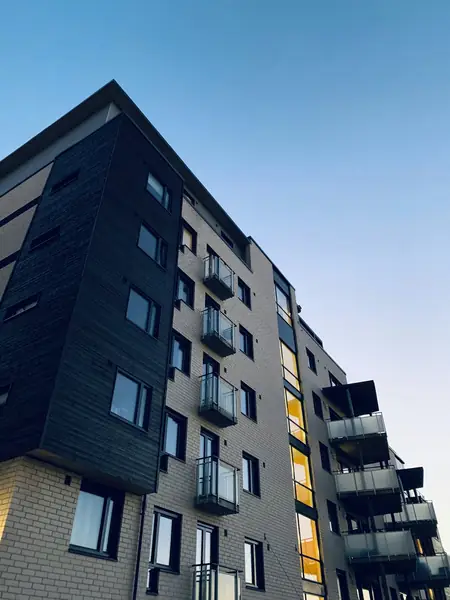
Apartments, condos, and mixed-use residential.
Why apartment building works. Multi-dwelling properties have basement utility space, central electrical and water infrastructure, and ownership groups with multi-property portfolios. The hub installs in back-of-house space, not in residential common areas. Residents do not interact with the hub at all.
What changes for MDU. Where condo associations or HOA boards have governing approval rights, the ARO program structures the agreement to satisfy bylaws. Most associations require board approval and sometimes a member vote; the Letter of Intent is built to support that timeline. ARO has experience navigating HOA approval processes.
What Apartment and condo owners gain beyond the check. A hub on-property eventually enables CV and IoT services such as package-room monitoring, common-area energy optimization, and guest / visitor analytics. The apartment building can negotiate to consume those services from tenants on the hub once operating, often at favorable rates.
Multi-property apartment building portfolios
apartment building operators with portfolios of 5+ properties typically use the master agreement model. One contract structure, multiple site schedules, single point of contact. See portfolio terms for details.
Property types within apartment building that fit
- Class A and B apartment buildings of 100+ units in metros.
- Condominium associations with available BOH or basement space.
- Mixed-use residential with available infrastructure space.
- HOA-governed properties willing to navigate the association approval process.
- Build-to-rent communities with central infrastructure.
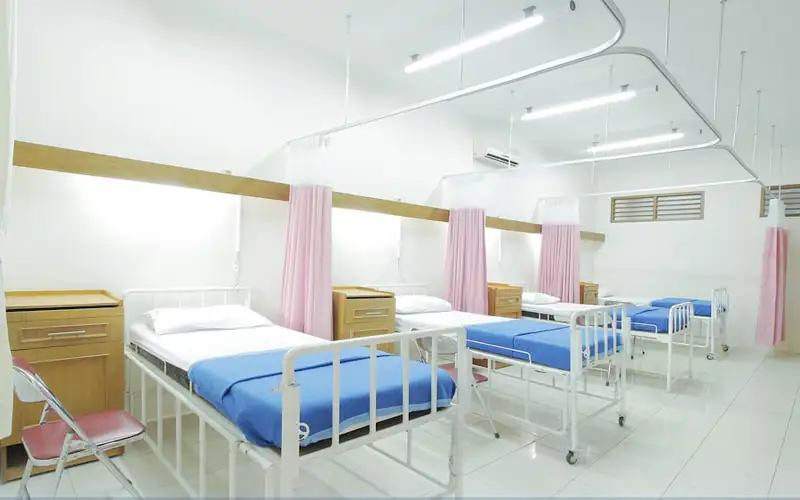
Hospitals, clinics, and medical office buildings.
Why healthcare commands the highest tenant rates. Healthcare AI tenants pay premium rates for compute that is HIPAA-ready, geographically constrained, and single-tenant by design. Hubs sited at or near healthcare properties attract those tenants. Higher tenant rates flow into higher revenue share to the host property.
What changes for healthcare. Healthcare properties face stricter installation oversight. ARO coordinates with facilities, infection control, and compliance teams during install. Hub install does not touch clinical space. Hub does not connect to clinical IT systems unless under separate, signed Business Associate Agreement.
The compliance stack for healthcare-resident hubs. ARO's HIPAA-ready architecture means single-tenant nodes, encryption at rest (AES-256) and in transit (TLS 1.3), audit logs, and data residency boundaries. A signed BAA covers any tenant workload that processes PHI. The compliance posture protects both the host property and the workload tenant.
Healthcare property types that fit
- Acute-care hospital systems with available facilities space.
- Specialty hospitals (cardiac, orthopedic, oncology) with central plant rooms.
- Multi-specialty clinics and ambulatory surgery centers.
- Medical office buildings with shared mechanical infrastructure.
- Health system administrative campuses with dedicated server rooms.
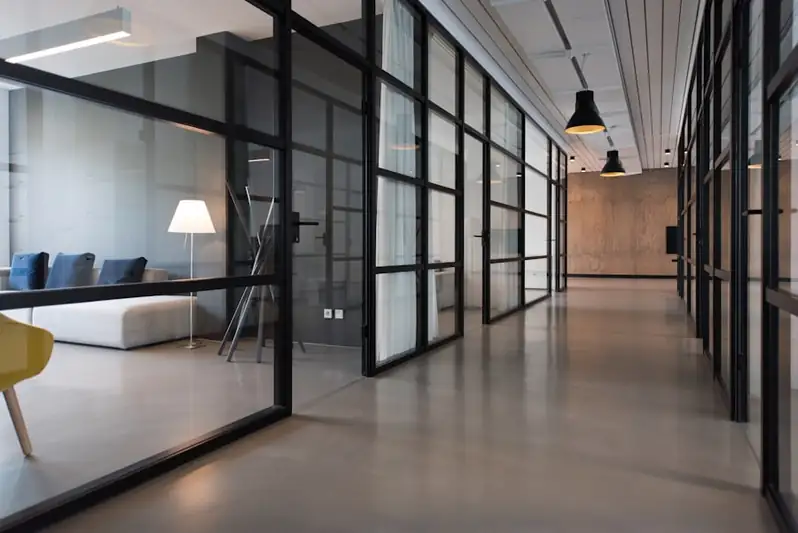
Office buildings and mixed-use commercial.
Why commercial works, especially Class B and C. Office buildings with vacancy or under-utilized mechanical space have a real opportunity here. The hub takes back-of-house space that does not lease anyway and turns it into a multi-year revenue stream. Class B and C properties are particularly compelling because their alternative-use opportunities are limited.
What changes for commercial. Office buildings often already have data center or telco-closet infrastructure. The hub can co-locate with existing equipment or take a separate room. Power coordination uses building electrical infrastructure already designed for tenant compute.
Mixed-use commercial. Properties with both retail and office tenants, or office with embedded healthcare or hospitality, are evaluated on a per-site basis. Mixed-use grow over time the value proposition because tenant fit may pull from multiple workload typees.
Commercial property types that fit
- Class A office buildings with available mechanical space.
- Class B and C office, particularly those with vacancy concerns.
- Medical office buildings with central infrastructure.
- Mixed-use commercial with retail, office, or hospitality tenants.
- Coworking-anchored buildings with central IT infrastructure.
Senior living communities and student housing.
Why senior and student housing fit. Both verticals are structured like apartment building but with stronger central infrastructure and dedicated maintenance teams. Both have ownership groups operating multi-property portfolios. Both have residents who do not interact with infrastructure decisions, simplifying approval.
Senior living specific notes. Independent living, assisted living, and continuing-care communities all qualify if they have available back-of-house space and dedicated electrical service. The hub does not change resident services. Operators tend to value the predictable, multi-year revenue stream as a hedge against operational cost inflation.
Student housing specific notes. Off-campus student housing (private operators) and on-campus partnerships (university-affiliated) both qualify. Student housing operators value the ancillary revenue without taking on operational complexity, especially given seasonality in their primary revenue.
Property types that fit
- Independent living and assisted living communities of 100+ units.
- Continuing-care retirement communities (CCRC) with central plant rooms.
- Off-campus student housing properties of 200+ beds.
- University-affiliated housing where the operator can authorize the agreement.
- Active-adult communities with central infrastructure.
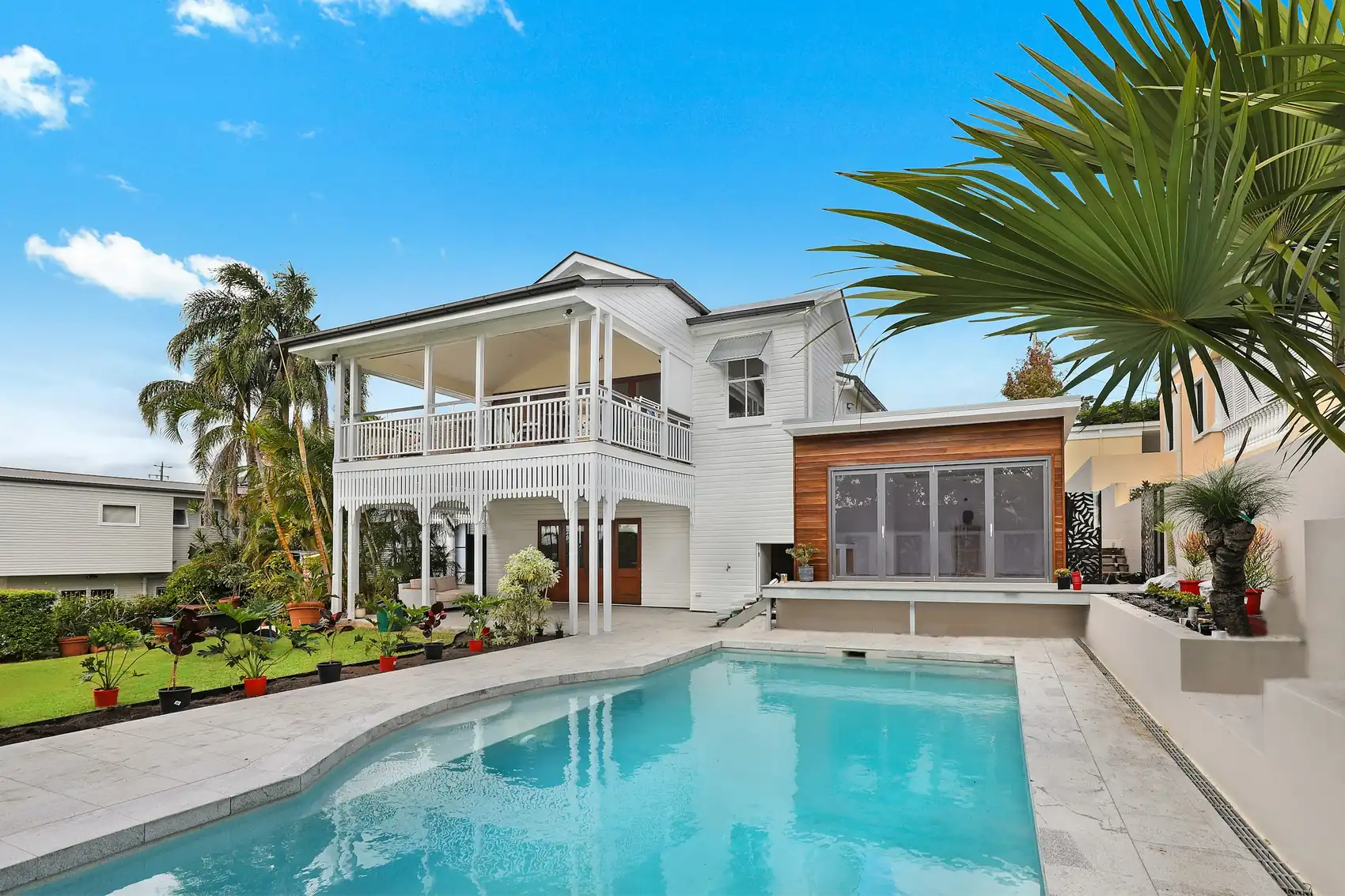

Manufactured housing communities.
Why manufactured housing works. Manufactured housing communities (MHC) typically have central electrical and water plants and operator-managed common infrastructure. The hub deploys near the central plant, not at individual home sites. Residents have no operational interaction with the hub.
What changes for MHC. Hubs in MHC must adhere to local electrical and water permitting that may differ from urban properties. ARO handles permitting coordination and uses local licensed contractors. Operators with portfolios of multiple MHC sites use the master agreement structure described in portfolio terms.
Manufactured housing property types that fit
- MHC of 200+ home sites with central plant infrastructure.
- Five-star and four-star communities with dedicated maintenance staff.
- MHC operators with portfolios of 5+ properties.
- Land-lease communities with operator-managed common infrastructure.
Other commercial property types are evaluated case by case.
Government and government-adjacent buildings, religious facilities, fraternal organizations, large warehouses with available office or mechanical space, public-access mixed-use, and other categories are evaluated on a site-by-site basis. Reach out and we will tell you in two business days whether the program fits.
- Real person reviewDoug or David reviews every inquiry personally.
- 2-day response, qualified or notIf your property does not fit, we will tell you why.
- No automated nurtureYou hear from us when there is something to say.